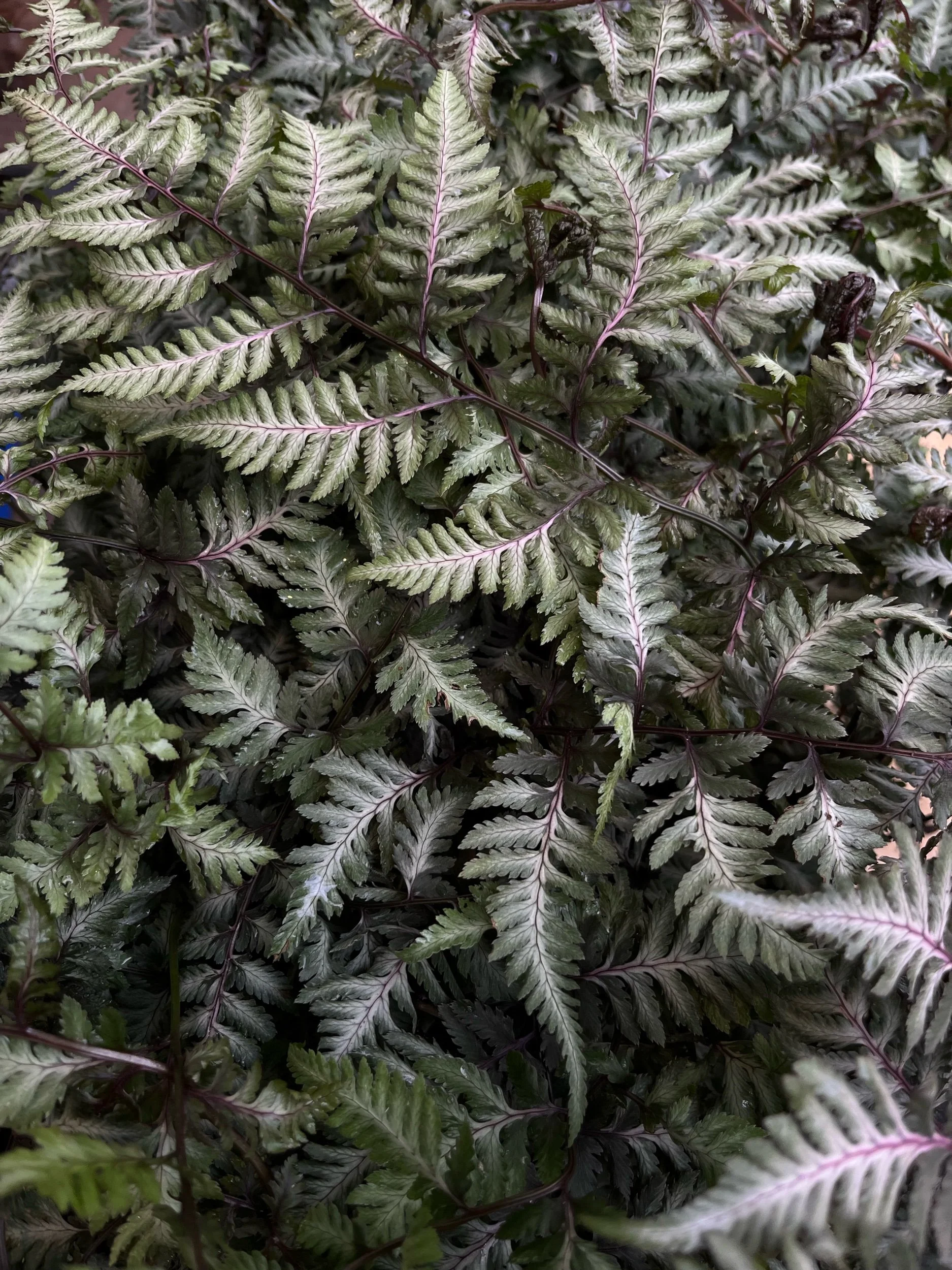
Plastic Fern or Crested [Bear Paw or Polypody] Fern (Phlebodium [Polypodium] fallax)
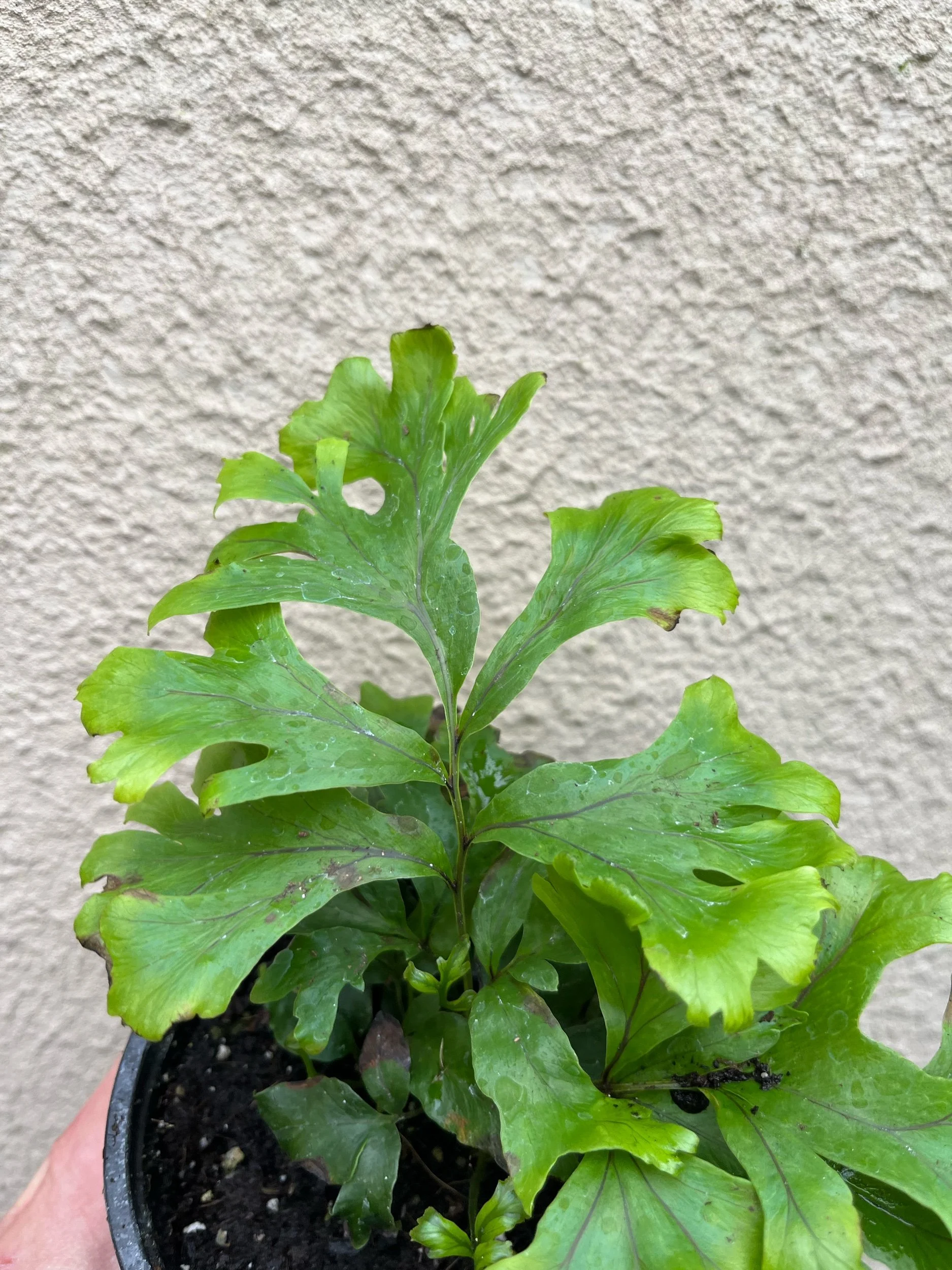
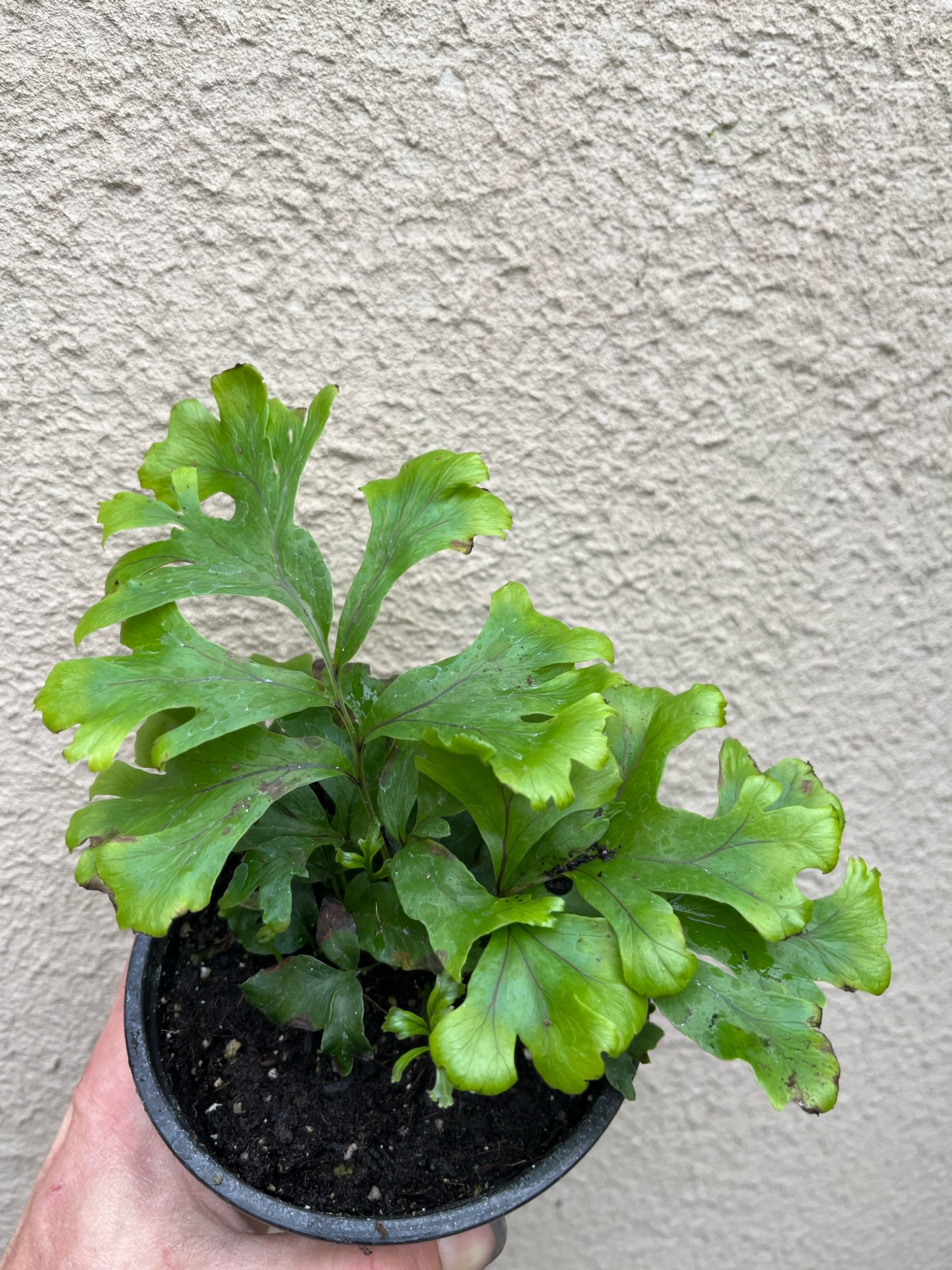
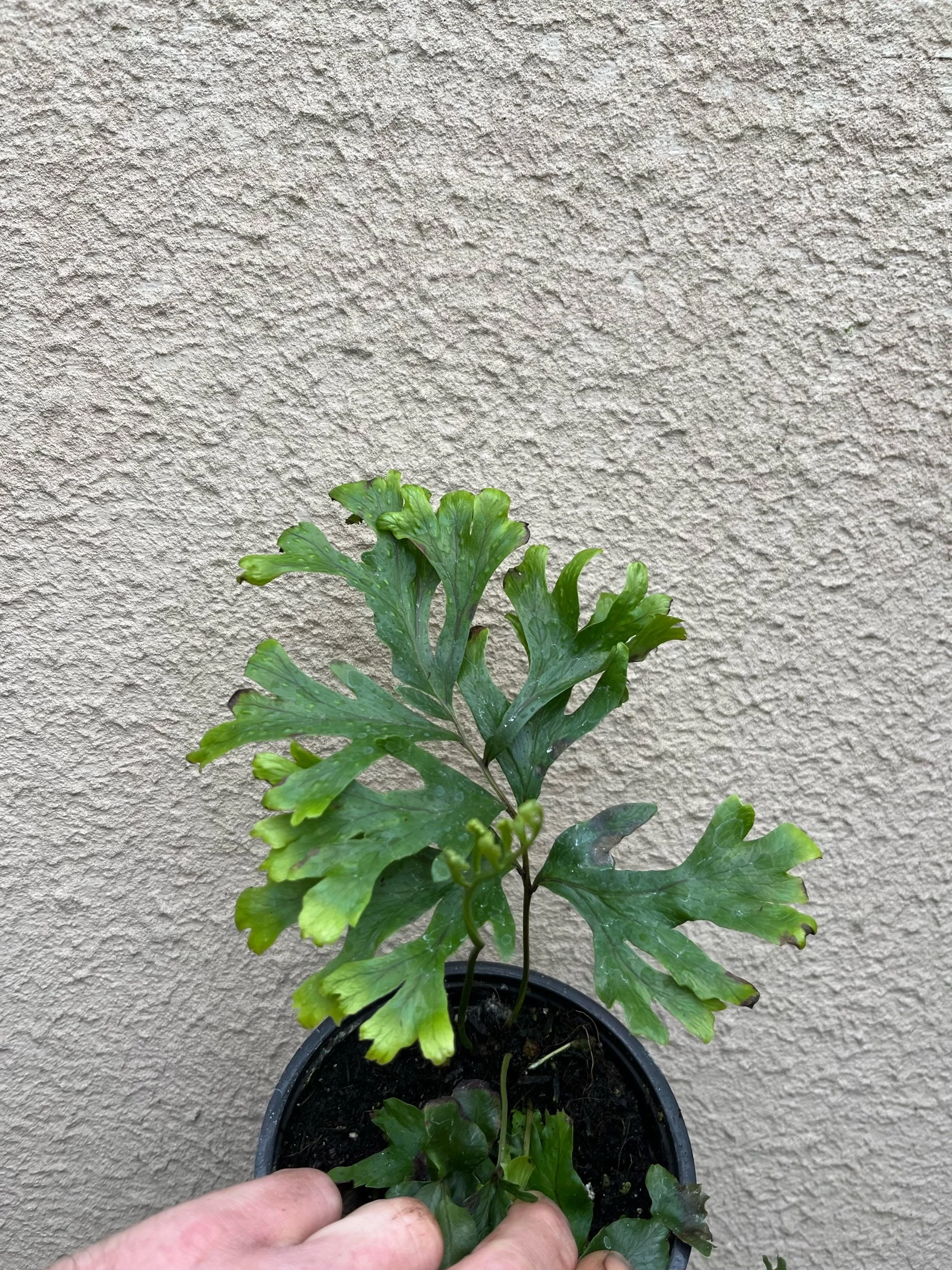
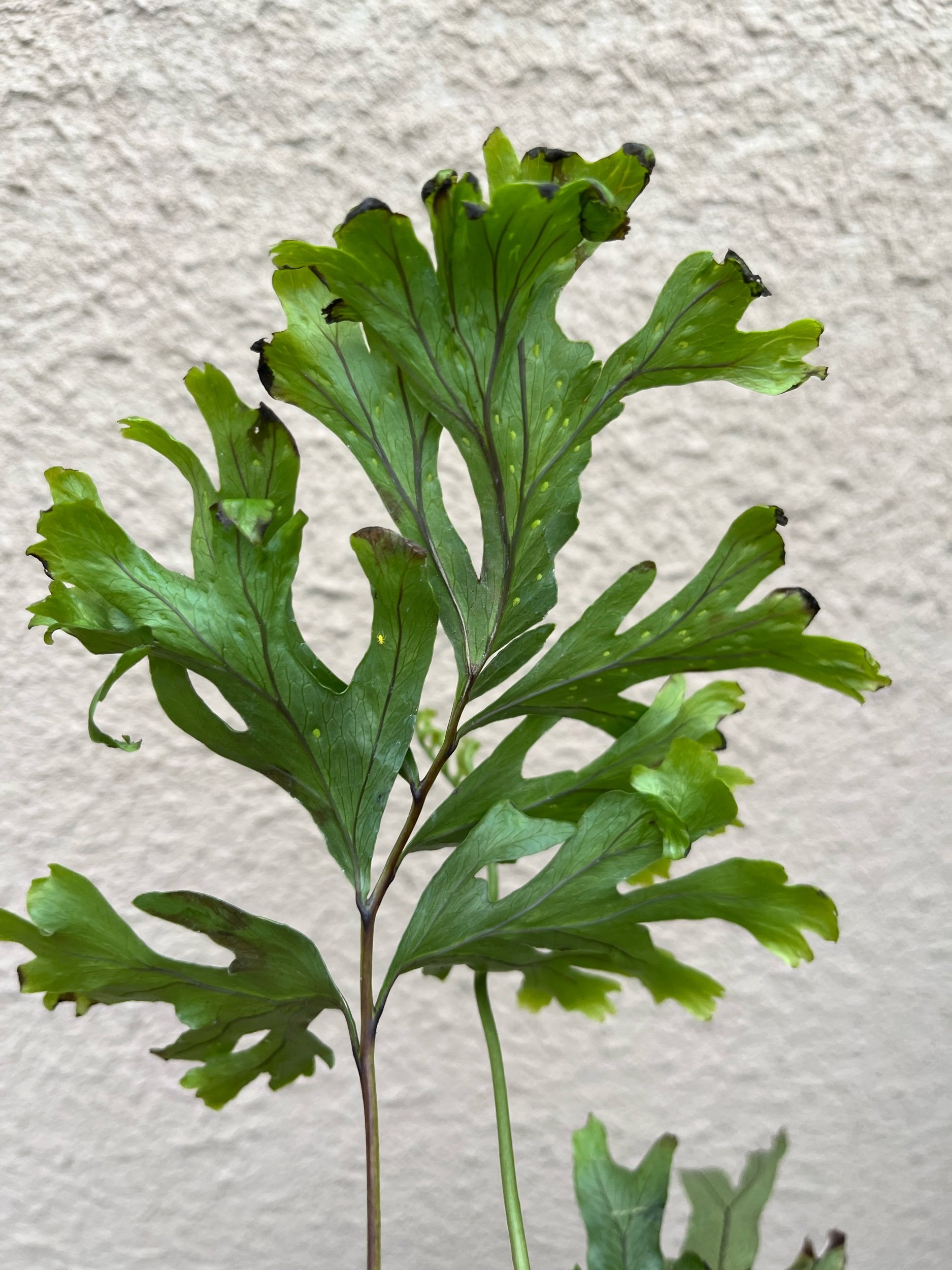
Plastic Fern or Crested [Bear Paw or Polypody] Fern (Phlebodium [Polypodium] fallax)
Synonyms/Also Sold As: Polypodium fallax, Serpocaulon attenuatum ‘Falax’, Pleopeltis fallax, Polypodium tuckerheimii, Lepicystis fallax, Micropteris fallax, marginaria fallax, Polypodium margaritiferum (apparently the botanists just couldn’t make up their minds on this one!)
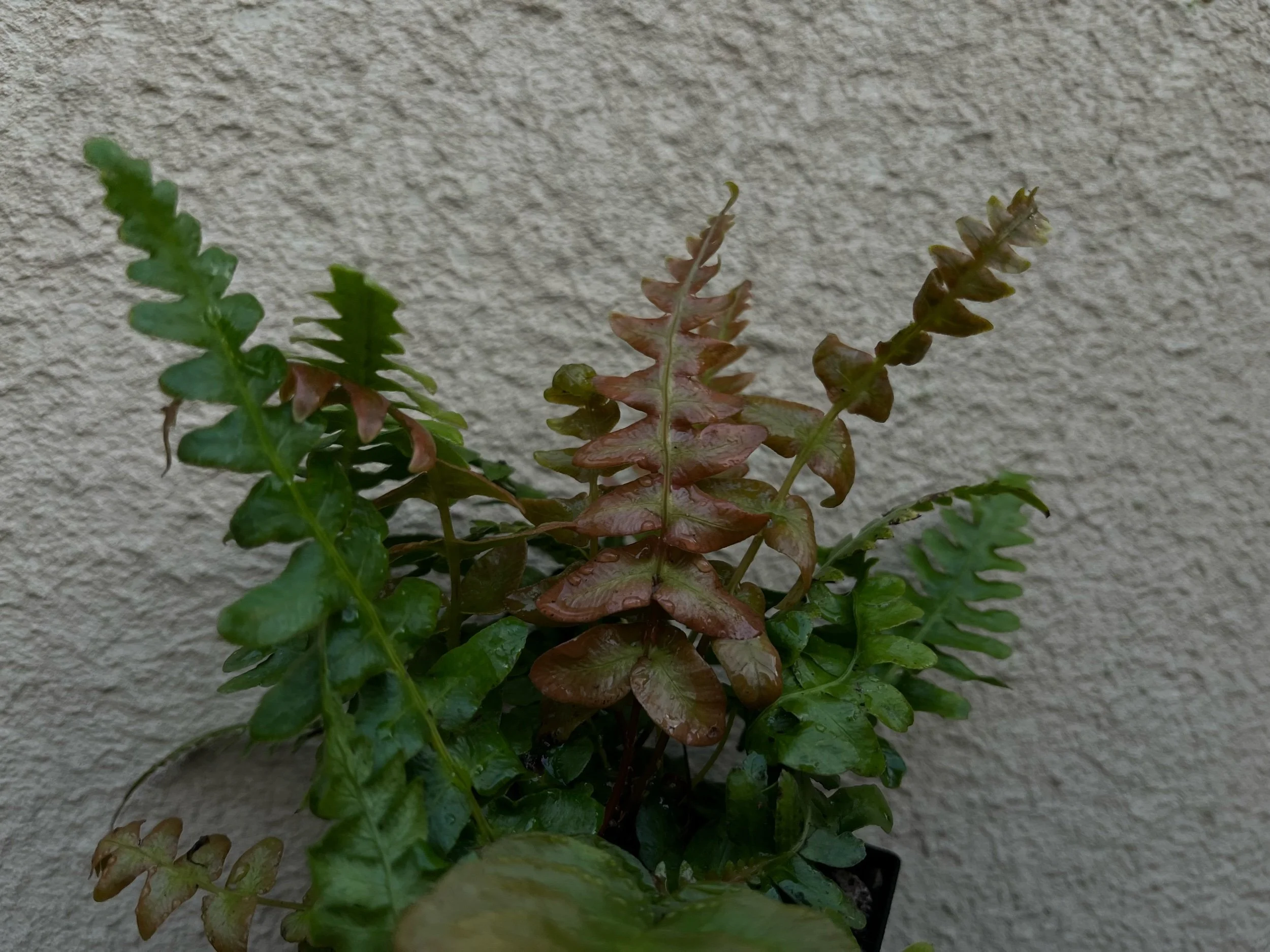
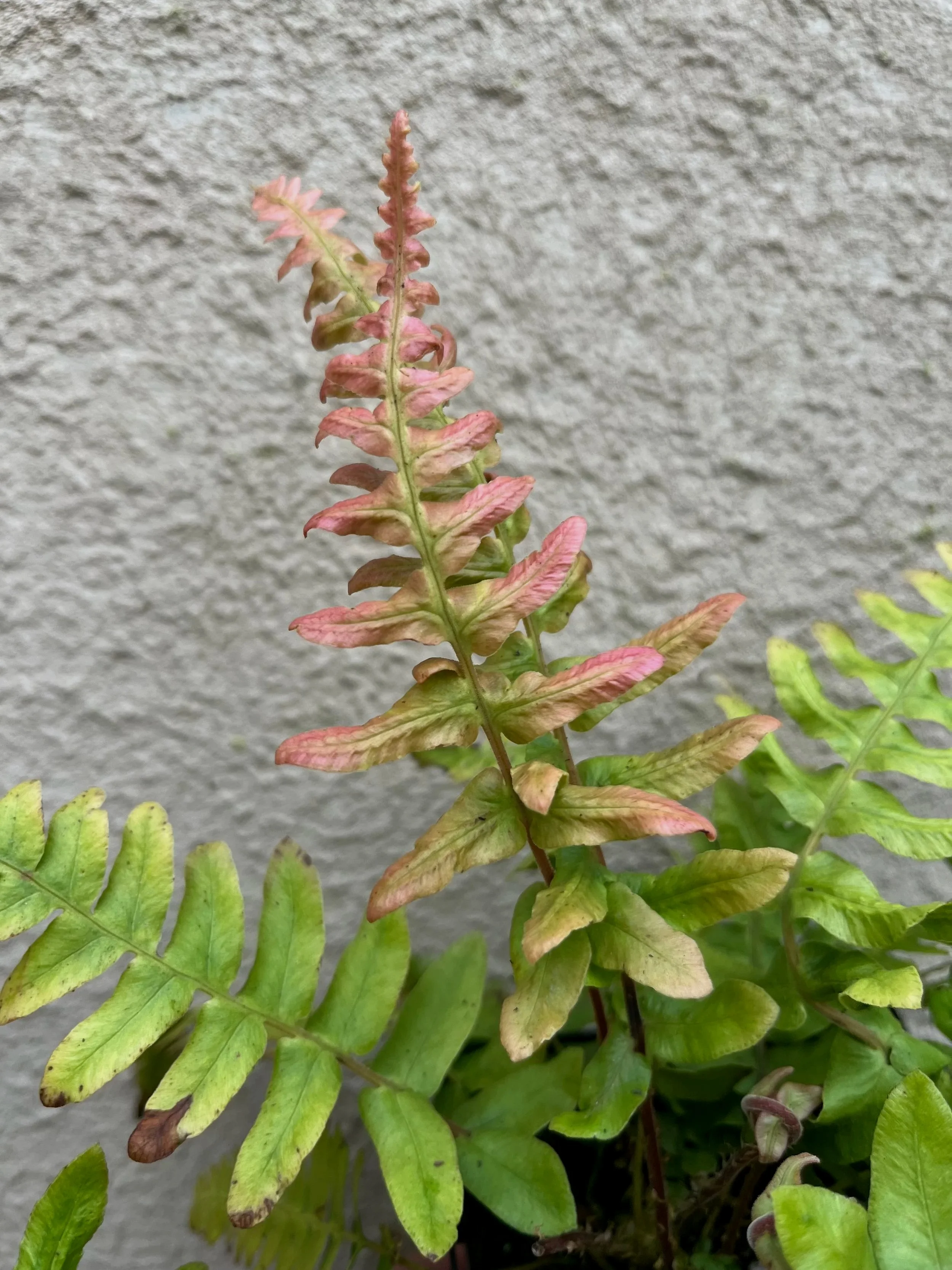
An impressively crested sub-tropical epiphytic fern with slowly creeping rhizomes. The broad, low arching fronds are reminiscent of an exotic sea lettuce, with deeply cut and slightly undulated lobes, giving it an appearance similar to many crested ferns. For how tropical it looks, it is surprisingly cold tolerant down to Zones 6, although it may not be evergreen in areas with winter frost. The most used common names for this fern are somewhat silly, with “Crested Fern” being the most frequently used, though this is a poor description as there are hundreds of different crested cultivars across many fern species both temperate and tropical! The alternative common name “Plastic Fern”, referring to glossy, waxy coating on the fronds does not sound particularly appealing either, and is somewhat misleading as this fern, though resilient, is slightly higher maintenance than a plastic houseplant! Since it has formerly been classified in both a Polypodium and as a Phlebodium, more appropriate common names would be “Crested Polypody” (although there are many other crested Polypodiums!) or, since Phlebodiums are often called Bear Paw or Kangaroo Foot Ferns, “Crested Bear Paw Fern” or “Crested Kangaroo Foot Fern”, (but again, there are other crested Phlebodiums as well with specific cultivar names too!).
Frond Condition: Evergreen to Semi-Evergreen depending on conditions
Mature Size and habit: 2’, low arching, slowly colonizing
Root type: Creeping Rhizome
Origin: Central America from Mexico to Panama
Cultural Requirements: Part Sun to Shade, Lightly Moist to Moist
USDA Zones: 6, 7, 8, 9, 10, 11 or as a Houseplant